Gypsum Board Fastener Selection: A B2B Guide to Matching Drywall Screw Specs with Framing and Board Types
Selecting the correct fastener for gypsum board installation is a critical decision in commercial and residential construction. The wrong screw can lead to popped heads, board separation, or costly rework. This guide provides a systematic approach to matching drywall screws for gypsum board with specific framing materials and board thicknesses, ensuring reliable attachment and long-term performance.
Understanding Drywall Screw Specifications
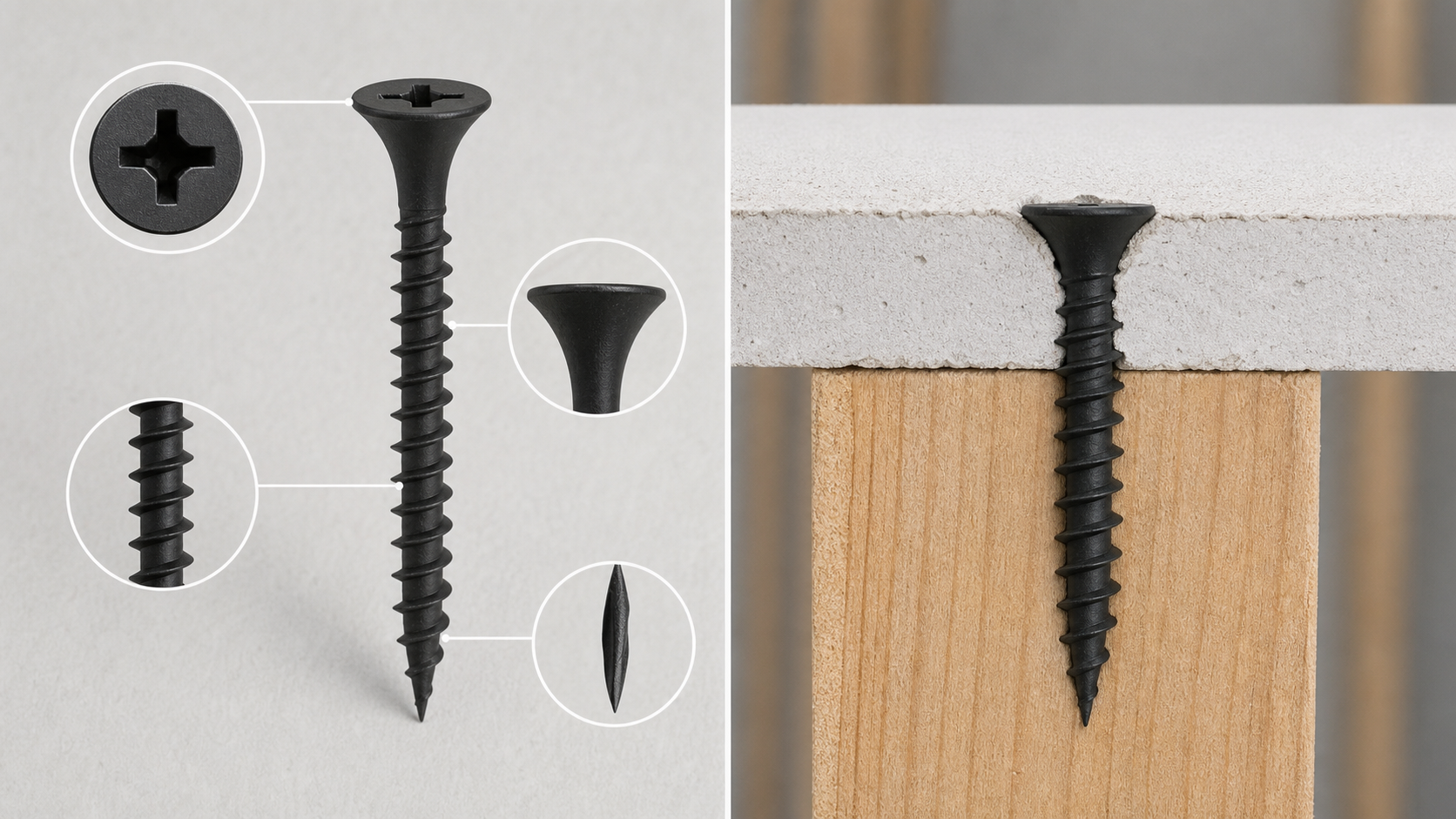
Drywall screws are engineered with specific features that differentiate them from other fasteners. The key specifications include material, thread type, length, diameter, head design, drive type, surface treatment, and tip geometry. Each of these factors must be aligned with the application requirements.
Material and Manufacturing
Standard drywall screws are manufactured from Q195 or Q235 steel wire, though customized materials are available for specialized applications. The choice of material affects the screw’s strength, corrosion resistance, and cost. For most interior applications, Q195 steel provides adequate performance, while Q235 offers higher tensile strength for demanding conditions.
Thread Design
The thread is one of the most critical features of a drywall screw. Deep sharp coarse threads are standard for gypsum board applications because they provide aggressive grip in the board’s paper facing and gypsum core. The thread design must match the framing material:
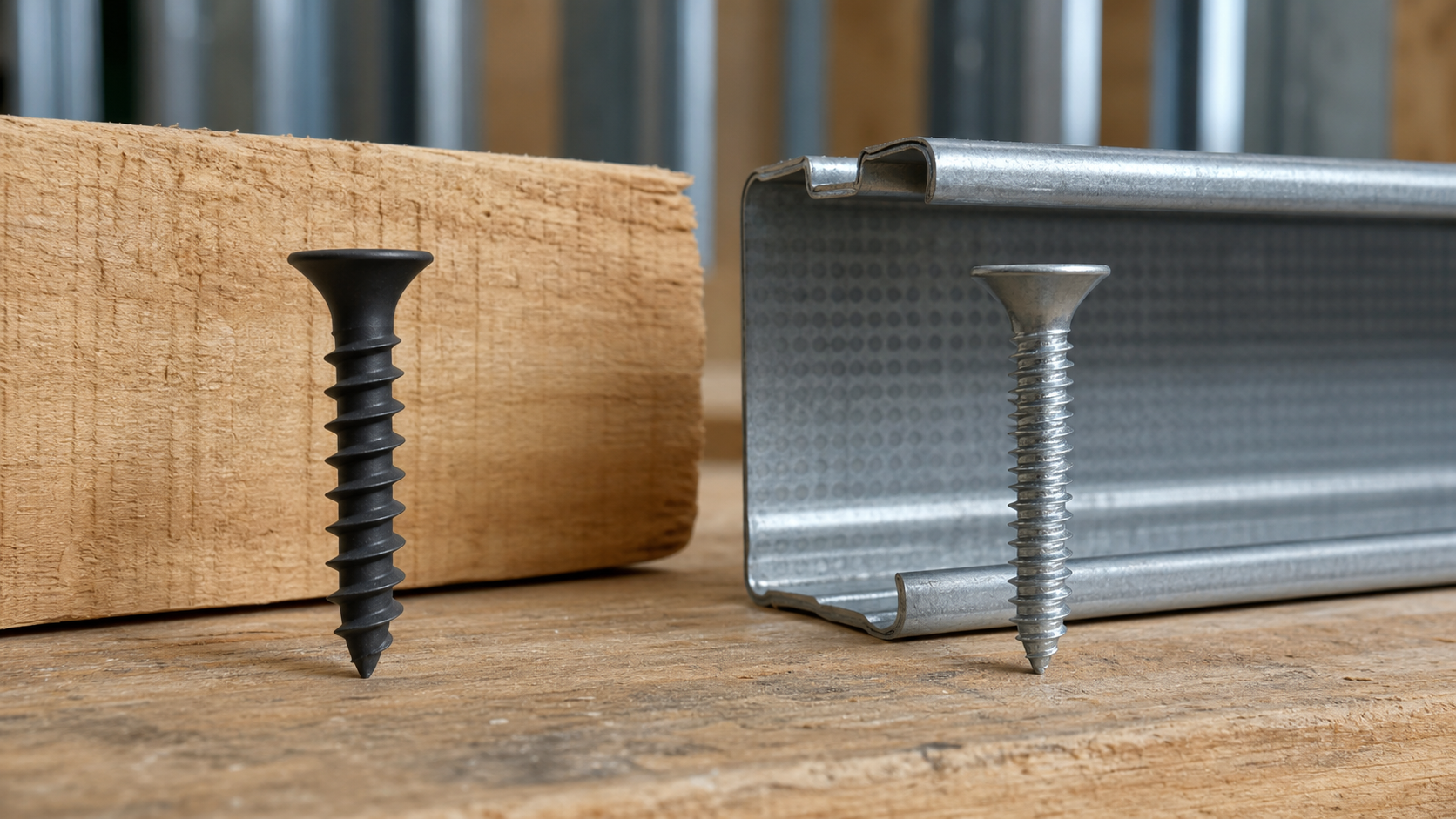
- Coarse threads are ideal for wood framing, as they bite into the wood fibers without splitting.
- Fine threads are better suited for steel framing (typically 20–25 gauge), as they engage the thin metal without stripping.
- Dual-thread designs combine a coarse upper thread for board grip with a finer lower thread for framing penetration.
Length and Diameter
Length and diameter are customized according to customer requirements, but general guidelines apply. The screw must penetrate the framing material by at least 5/8 inch (16 mm) for adequate holding power. Common lengths for single-layer applications range from 1 inch to 2 inches, while double-layer or fire-rated assemblies may require longer fasteners.
Diameter is typically #6 or #8 for standard applications. Larger diameters provide greater holding strength but may cause board damage if not properly selected.
Head Design and Drive Type
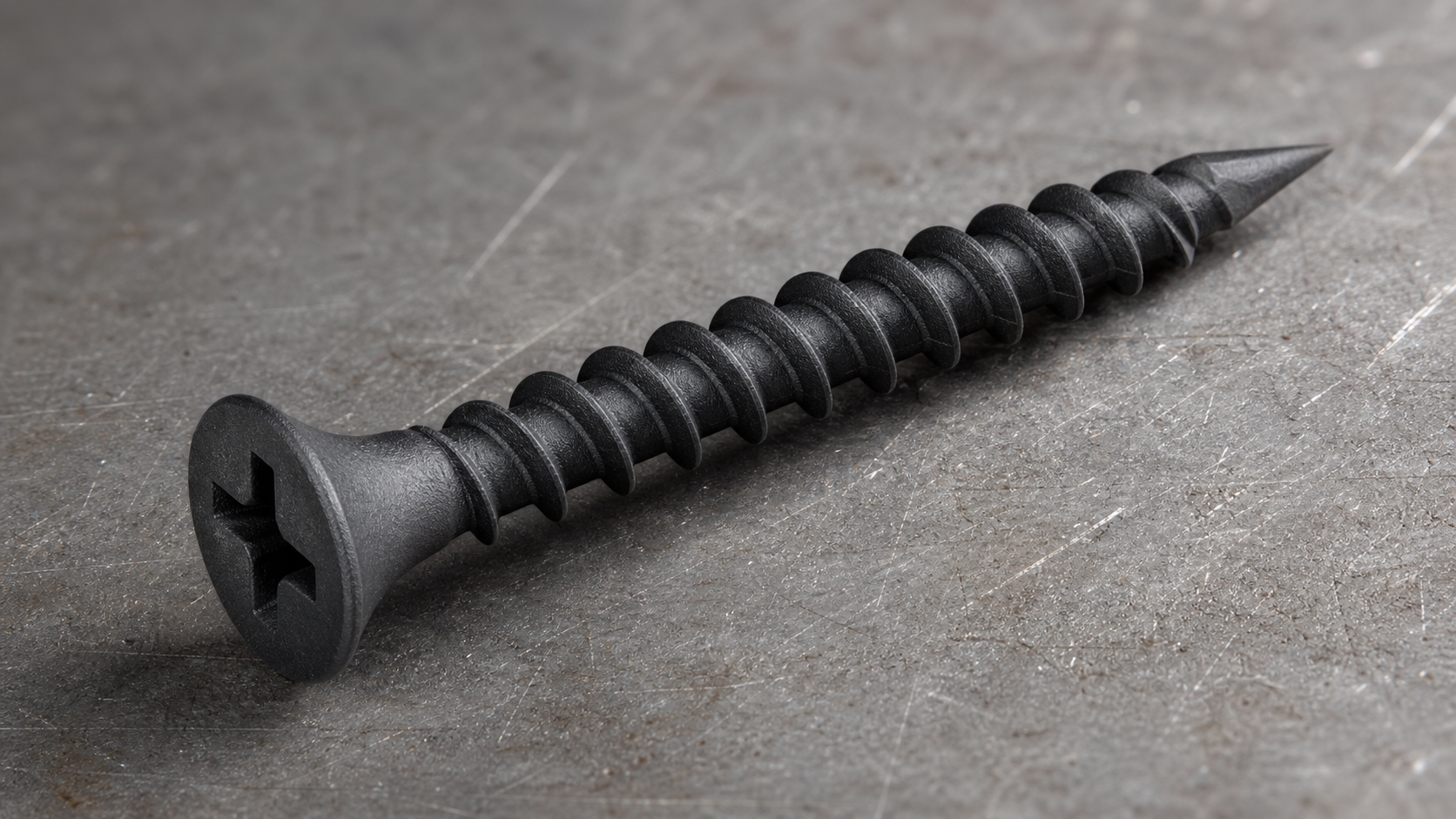
The bugle head is the standard design for drywall screws. Its concave underside compresses the board’s paper facing without tearing, creating a dimple that can be easily filled with joint compound. The Phillips drive recess is the most common, providing reliable torque transfer during installation.
Surface Treatment
Surface treatment protects the screw from corrosion and affects its appearance. Common options include:
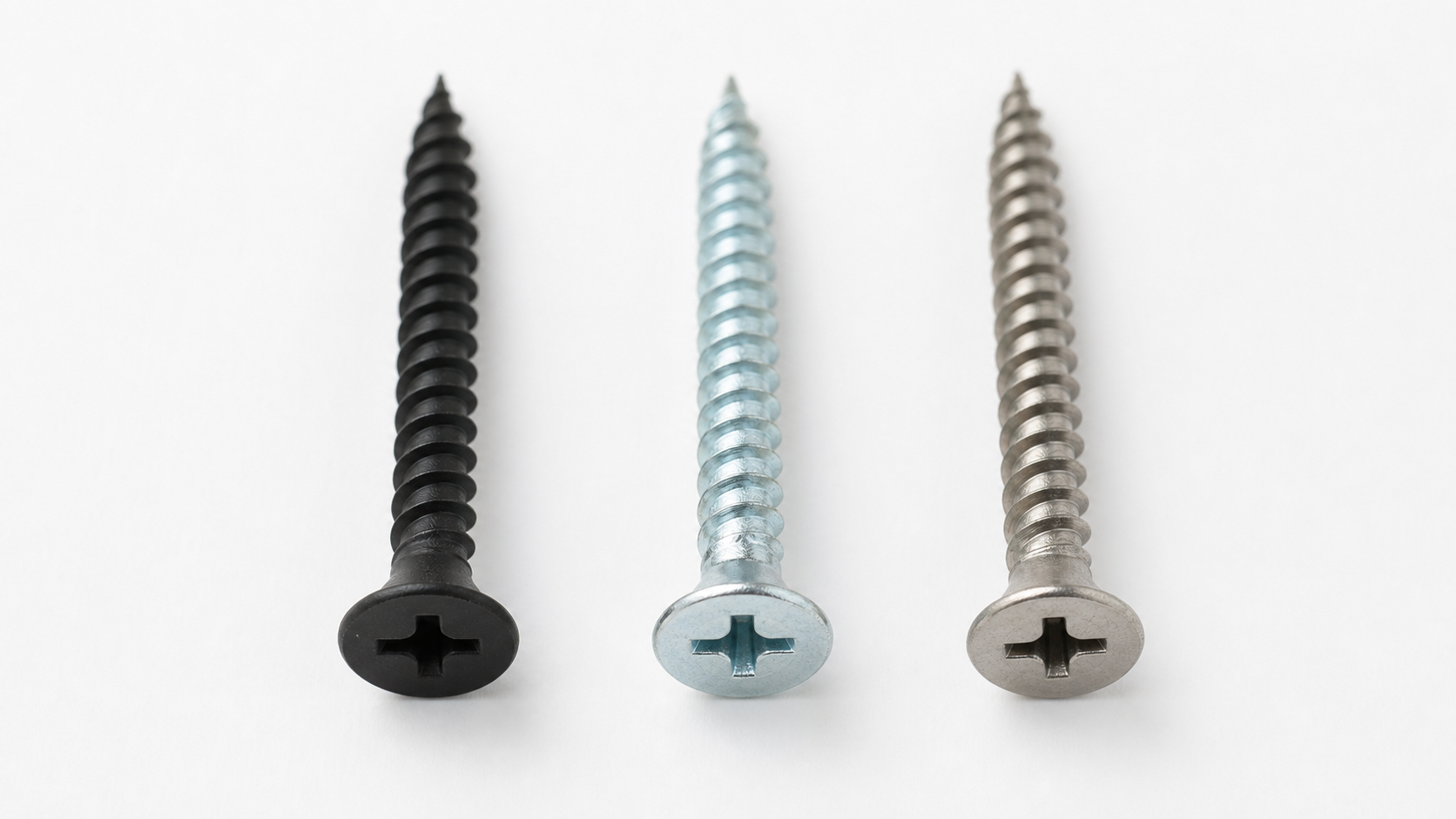
- Black phosphate: Provides a matte black finish with moderate corrosion resistance; suitable for dry interior environments.
- Galvanized zinc: Offers a silver appearance with improved corrosion protection; ideal for humid areas or where moisture exposure is possible.
- Electro-zinc plated: Bright finish with good corrosion resistance; often used in visible applications.
- Customized treatments: Available for specific environmental or aesthetic requirements.
Visual finish references include matte black phosphate, silver galvanized zinc, bright electro-zinc plated, and natural stainless-steel appearance (when stainless steel material is separately verified).
Tip Geometry
The needle-point tip is standard for drywall screws. This sharp point allows the screw to penetrate the gypsum board cleanly without pre-drilling, reducing installation time and labor costs.
Matching Screws to Framing Types
The framing material is the primary factor in screw selection. Wood and steel framing have different characteristics that require specific thread designs and lengths.
Wood Framing
For wood framing, use coarse-thread drywall screws. The coarse threads provide excellent holding power in softwoods like pine and fir, as well as hardwoods. Recommended lengths:
- 1/2-inch gypsum board: 1-1/4 inch screws
- 5/8-inch gypsum board: 1-5/8 inch screws
- Double-layer applications: 2-inch or longer screws
Steel Framing
Steel studs and tracks require fine-thread screws designed for metal penetration. The thread pitch is tighter to engage the thin steel without stripping. For 20–25 gauge steel, use screws with a sharp point and fine threads. Length recommendations are similar to wood framing, but the thread design is critical for proper engagement.
Matching Screws to Board Thickness
Gypsum board is available in various thicknesses, each requiring specific screw lengths and spacing.
| Board Thickness | Wood Framing Screw Length | Steel Framing Screw Length | Typical Spacing (inches) |
|---|---|---|---|
| 1/4 inch | 1 inch | 1 inch | 12–16 |
| 3/8 inch | 1-1/4 inch | 1 inch | 12–16 |
| 1/2 inch | 1-1/4 to 1-5/8 inch | 1 to 1-1/4 inch | 12–16 |
| 5/8 inch | 1-5/8 to 2 inch | 1-1/4 to 1-5/8 inch | 12–16 |
| Double-layer (1/2 + 1/2) | 2 to 2-1/2 inch | 1-5/8 to 2 inch | 12–16 |
Comparison Table: Drywall Screw Types for Gypsum Board
| Feature | Coarse Thread (Wood) | Fine Thread (Steel) | Dual Thread |
|---|---|---|---|
| Best for Framing | Wood studs, joists | Steel studs (20–25 ga) | Both wood and steel |
| Thread Pitch | Wide, aggressive | Narrow, tight | Coarse upper, fine lower |
| Board Grip | Excellent | Good | Excellent |
| Framing Penetration | Good in wood | Good in steel | Good in both |
| Common Lengths | 1 to 2.5 inches | 1 to 2 inches | 1.25 to 2 inches |
| Surface Treatment | Black phosphate, galvanized | Black phosphate, galvanized | Black phosphate, galvanized |
| Typical Application | Residential, light commercial | Commercial steel stud | Mixed framing, renovations |
Limitations and Considerations
While drywall screws are versatile, they have limitations that must be understood for proper application:
- Not for structural loads: Drywall screws are designed for gypsum board attachment only, not for structural framing or load-bearing connections.
- Corrosion limits: Standard black phosphate screws are not suitable for exterior or high-humidity environments without additional protection.
- Steel gauge restrictions: Fine-thread screws may not engage properly in steel thicker than 20 gauge; self-drilling screws may be required for heavier gauge steel.
- Board damage risk: Over-driving or using incorrect head design can tear the paper facing, reducing holding strength.
- No certifications implied: This guide does not provide load ratings, certifications, or code compliance data. Always consult local building codes and manufacturer specifications.
Contractor Selection Guidance
Choosing the right contractor for drywall installation is as important as selecting the correct fastener. Consider the following criteria when evaluating potential contractors:
- Experience with commercial projects: Look for contractors who have completed projects similar in scale and complexity to yours.
- Knowledge of fastener specifications: A qualified contractor should be able to explain why they choose specific screw types for different framing and board combinations.
- References and portfolio: Request references from past clients and review completed projects to assess quality and consistency.
- Insurance and licensing: Verify that the contractor carries appropriate liability insurance and holds necessary licenses for your jurisdiction.
- Warranty and workmanship guarantees: Ask about warranties on materials and labor, and ensure they are documented in the contract.
- Communication and documentation: Choose a contractor who provides clear written estimates, timelines, and specifications.
Frequently Asked Questions
What is the difference between coarse-thread and fine-thread drywall screws?
Coarse-thread screws have wider, more aggressive threads designed for wood framing, while fine-thread screws have tighter threads for steel framing. Using the wrong thread type can result in poor holding power or stripped holes.
Can I use drywall screws for exterior applications?
Standard drywall screws with black phosphate or galvanized coating are not recommended for exterior use. For exterior or high-moisture environments, use screws with enhanced corrosion resistance, such as stainless steel (if separately verified) or specialized coatings.
How do I determine the correct screw length?
The screw should penetrate the framing material by at least 5/8 inch. For 1/2-inch gypsum board on wood framing, use 1-1/4 inch screws. For 5/8-inch board, use 1-5/8 inch screws. Always verify with the manufacturer’s recommendations for your specific assembly.
What is the proper screw spacing for gypsum board?
Typical spacing is 12 inches on center for ceilings and 16 inches on center for walls, but this can vary based on local building codes and the specific assembly. Always consult the applicable code for your project.
Are bugle head screws required for drywall?
Bugle head screws are the industry standard because their concave shape compresses the board’s paper facing without tearing, creating a dimple that can be easily finished. Flat head screws are not recommended as they may cause paper tearing.
Can I use drywall screws for attaching other materials?
Drywall screws are specifically designed for gypsum board attachment. Using them for other materials, such as wood trim or metal, may result in inadequate holding power or damage to the screw or material.
Conclusion
Selecting the correct drywall screws for gypsum board requires careful consideration of thread type, length, coating, and head design in relation to the framing material and board thickness. By following the guidelines in this application guide, contractors and specifiers can ensure reliable attachment, minimize callbacks, and achieve long-lasting results. For custom requirements, consult with your fastener supplier to determine the optimal specifications for your project.
For a quotation on bulk drywall screws tailored to your project specifications, contact our sales team with your framing type, board thickness, and quantity requirements.